Compare a few candidates under the same conditions, record what you can observe, and keep unresolved questions visible. A recommendation is only as useful as the evidence behind it.
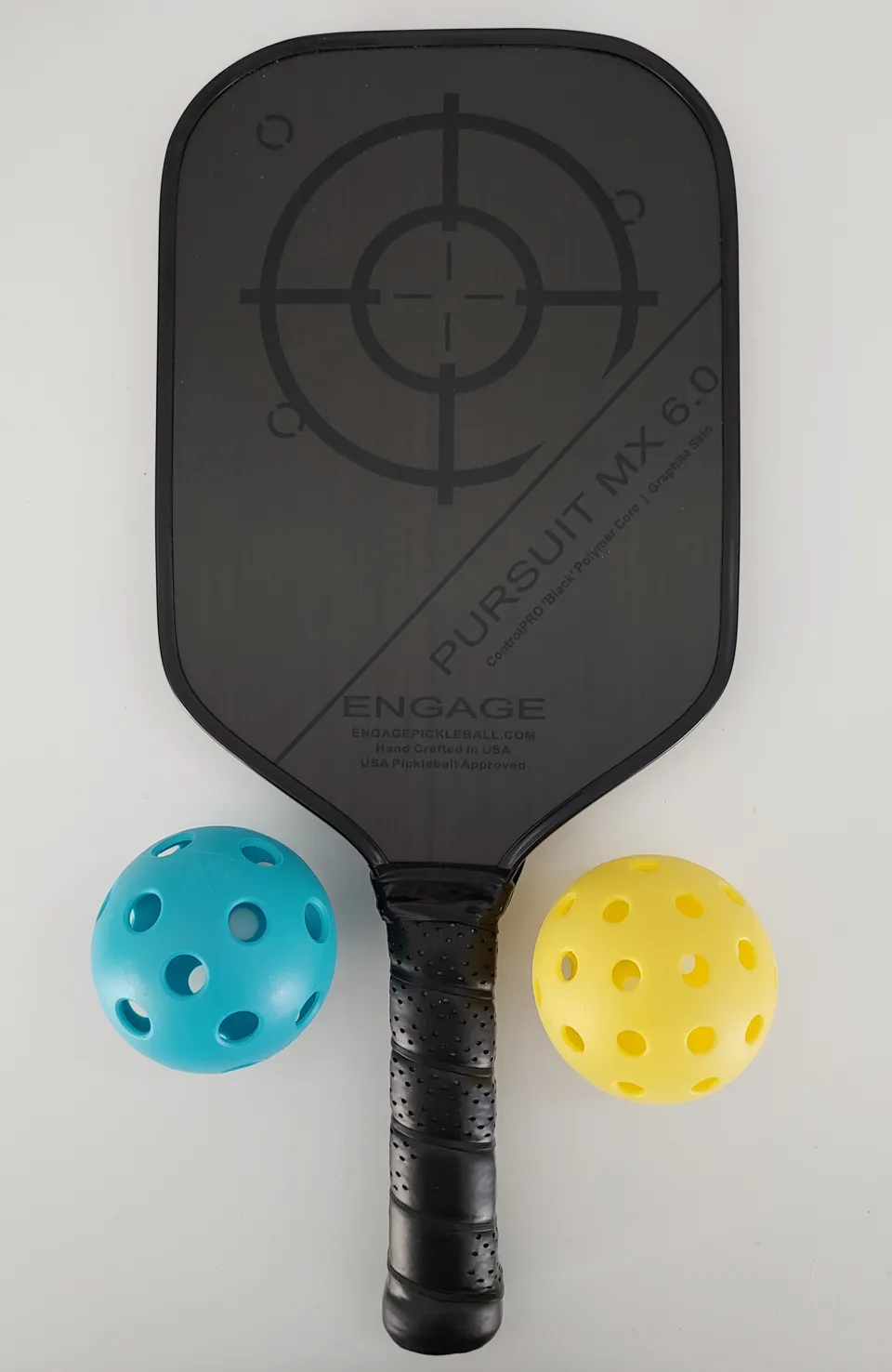

Write your buying brief first
Begin with the problem you want to solve: a first usable paddle, a handle that fits your preferred grip, or a replacement for worn equipment. Set a total spending ceiling and decide whether organized-event eligibility matters. A higher price is a purchase condition, not evidence that the paddle suits you.
Write one non-negotiable and one uncertainty before browsing. Example: “The handle must accommodate my normal grip; I do not yet know whether I prefer the balance of these two candidates.” This is more testable than “I need more control.”
Separate three kinds of information
| Evidence | Record it as | Do not infer |
|---|---|---|
| Manufacturer specification | Stated model, version, dimensions, and source date | That every sample has identical measurements |
| Instrumented review | Measured value, setup, units, and tested sample | That numbers from unrelated setups are comparable |
| Your demo note | Task, conditions, outcome and perceived feel | A universal ranking or verified lab result |
Keep unknown cells blank. Borrowing another reviewer’s testing language does not turn a short demo into independent testing.
Run an original A–B–A demo
- Label your familiar paddle A and one candidate B. Confirm that both are permitted for the session.
- Choose the same ball, partner, court end, target, and gentle feed routine.
- Try a short block with A, then B, then A again. Rest and collect balls safely between blocks.
- Record the grip and any tape or accessories. Those changes alter the setup you are comparing.
- Choose one count, such as target hits in ten attempts, plus one feel observation. Keep those separate.
- Repeat another day if the decision depends on a small difference.
This is a practical comparison design, not a validated equipment trial. Familiarity, order, fatigue, wind and expectation can all influence your notes. Stop for discomfort; the tool cannot diagnose it.
Turn notes into a decision
If B feels better but conditions changed, your next action is another comparable session. If both feel acceptable, return terms, event requirements and total cost may decide. If a required model/version cannot be verified, resolve that before purchase. A tie is useful information: you may not need an upgrade.
A worked decision, with fictional candidates
| Observation | Candidate A | Candidate B |
|---|---|---|
| Ten-attempt block | 7 target hits | 8 target hits |
| Conditions | Same partner and ball | Same partner and ball |
| Unresolved issue | None recorded | Return policy not checked |
| Conclusion | Keep as reference | Investigate policy; one extra hit is not proof of superiority |
These are invented teaching values, not tested products. The notebook begins empty and never loads this example as your data.
Sources and scope
- Briffidi measurement procedure: controlled setup
- Pickleball University: measured property context
- USA Pickleball: exact-model lookup
Sources checked October 29, 2026. Rulebooks govern rules; technique choices and original exercises are editorial suggestions. No coaching validation or hands-on testing is claimed.